Dental Clinic Services and Types of Treatments They May Offer
Dental clinics may offer different sets of dental services and treatments, and service availability and scope vary from one clinic to another. Their capabilities may generally include examination, prevention, treatment, restoration, and cosmetic care, without implying that every category is available at every clinic. For a broader understanding of the facility and its role, see What is a dental clinic?.
Service availability is one attribute of dental clinics that helps users understand what a clinic may be able to provide before assessing whether its services suit the required need. Dental services can be understood by classifying them according to purpose, rather than treating them as one list containing every possible procedure.
Types of Dental Clinic Services by Purpose
Types of dental services can be classified by the purpose of the service, meaning what the service is intended to achieve within dental care. This classification distinguishes examination and diagnosis, preventive services, treatments, restorative and replacement services, and cosmetic services.
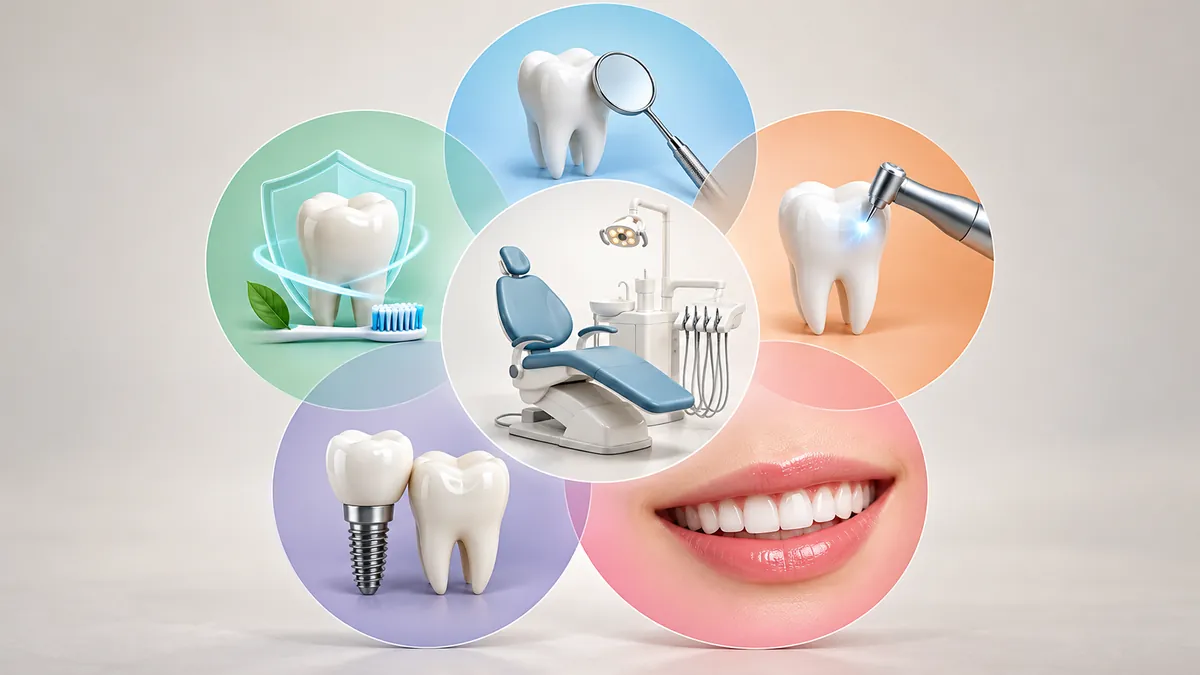
Service categories may overlap because one service can serve more than one treatment or functional purpose. The classification is best understood according to the primary purpose or the context in which a service is used, rather than as categories with boundaries that are always separate.
- Examination and diagnosis: Aims to assess oral and dental health and identify the related treatment need.
- Preventive services: Aim to maintain oral health and reduce the risk of dental and gum problems.
- Treatments: Aim to address a dental or gum problem according to the treatment need.
- Restorative and replacement services: Aim to repair damaged teeth or replace teeth when needed.
- Cosmetic services: Aim to improve the appearance of the teeth or smile.
Examination, Diagnosis, and Imaging to Identify Treatment Needs
Examination, diagnosis, and dental imaging provide different inputs to the assessment process, and none of them alone is a conclusive answer in every case. A clinical examination helps identify visible findings, while diagnosis connects those findings with professional assessment, and X-rays or other imaging methods may provide extra information when needed.
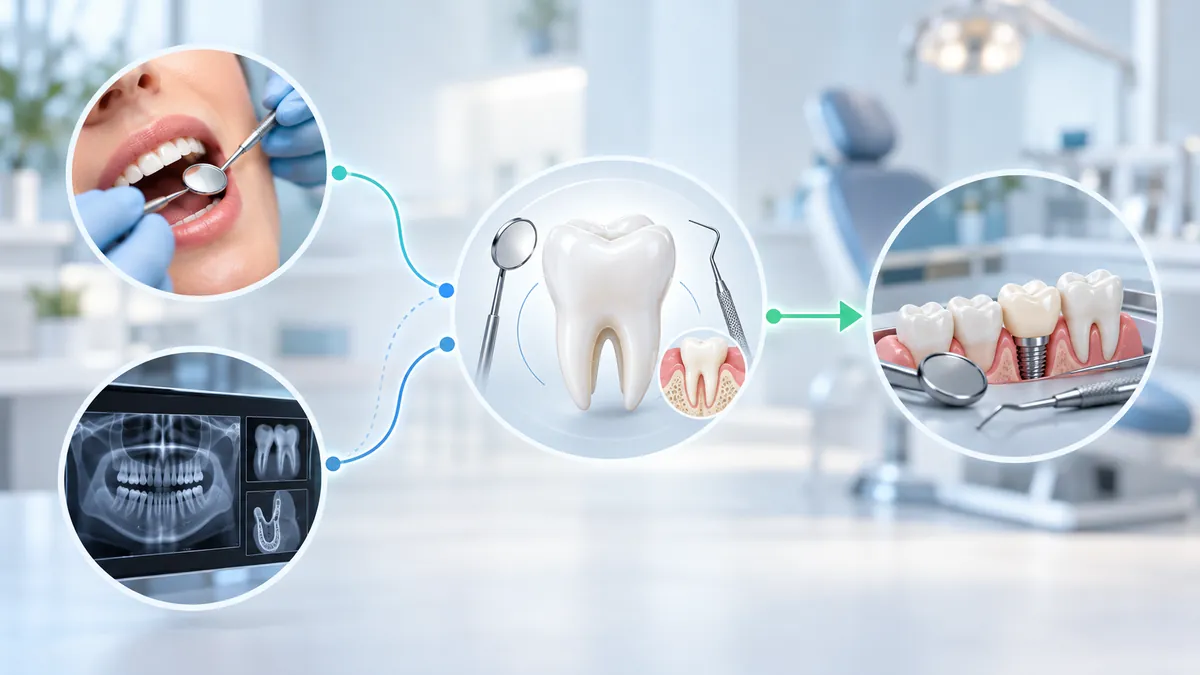
Assessment findings help identify the treatment need and guide the treatment plan, and some findings may indicate that further assessment is needed before the appropriate course can be determined. The type of examination, imaging, or additional assessment required depends on the clinical condition and the information needed to understand it.
Preventive Services for Maintaining Oral and Dental Health
Preventive services are services dental clinics provide to support prevention, help maintain oral and dental health, and reduce risks associated with some problems. Preventive care may include in-clinic procedures such as professional cleaning and periodic examinations as needed.
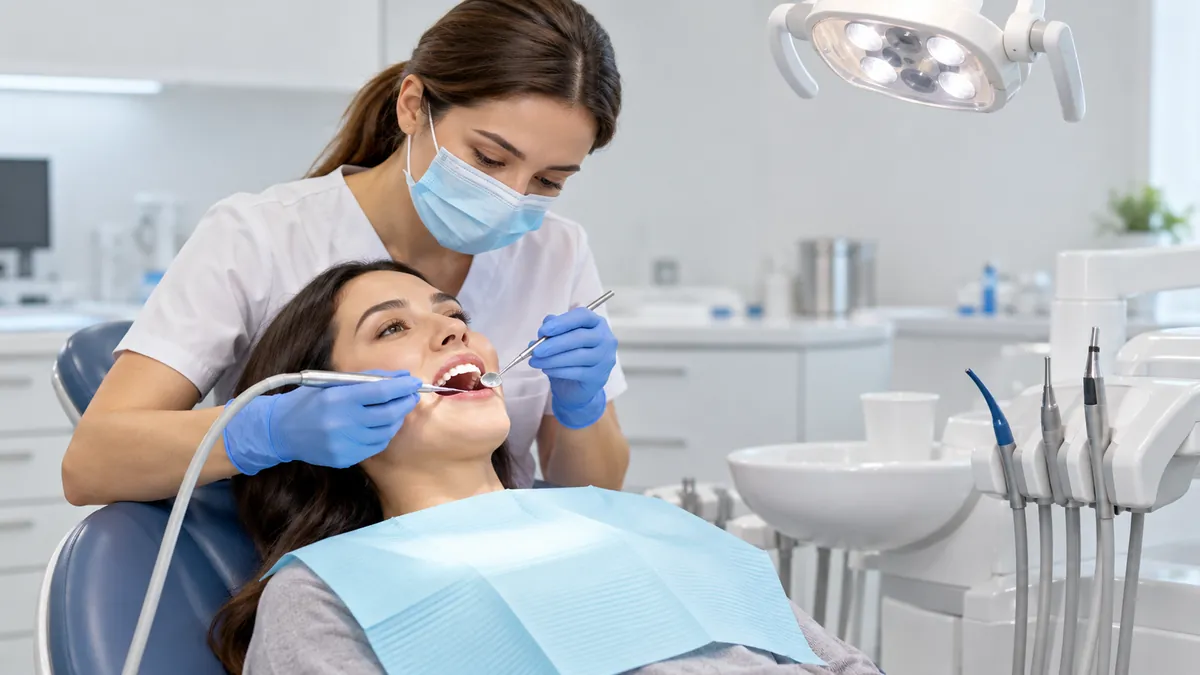
The suitability of preventive services varies according to oral condition and the need identified through assessment and professional advice. Their purpose is to address preventive needs and reduce risk, not necessarily to treat an existing problem. These services remain part of the preventive capability a dental clinic may provide, with the appropriate procedure determined by the person’s condition and needs.
Treatments for Dental and Gum Problems
Treatments for dental and gum problems address specific problems affecting the teeth, dental pulp, gums, or supporting tissues. They are not treatments a person should select without an assessment. Dental treatment aims to address the identified problem according to its location and nature, linking clinical care to the diagnosis and dental condition.
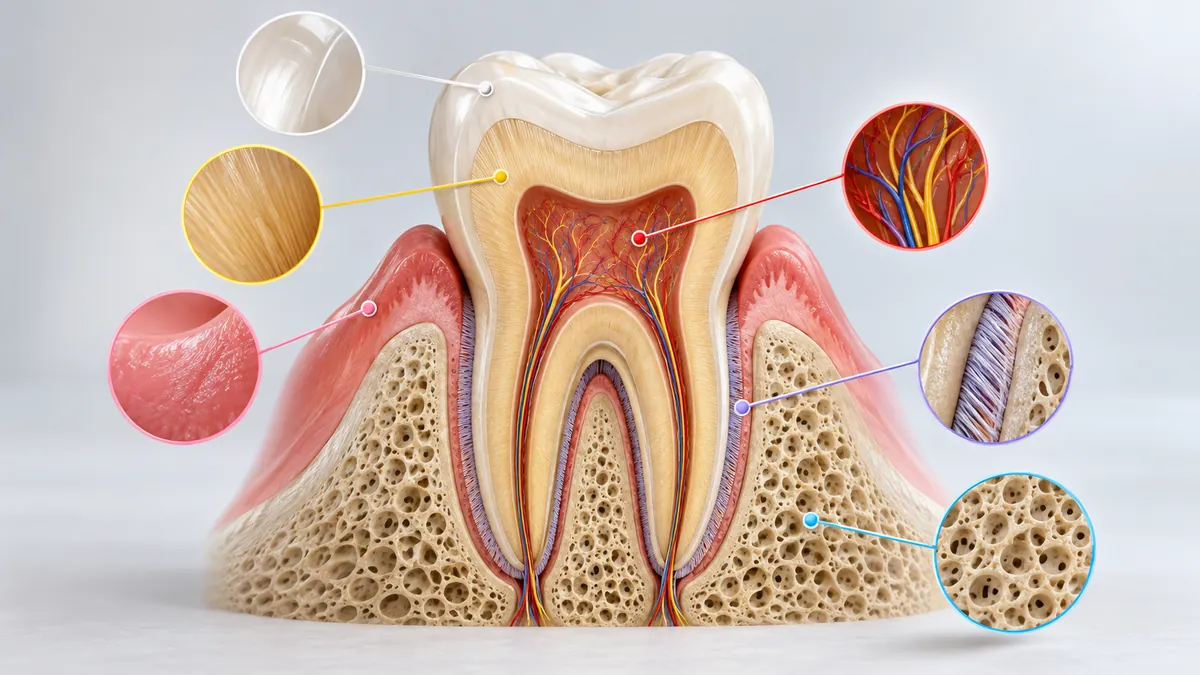
When tooth structure is affected by decay or damage, treatment may aim to address and restore the affected part according to the condition. When the problem involves the dental pulp, assessment determines whether pulp-directed treatment, such as root canal treatment, is indicated. For problems affecting the gums and supporting tissues, treatment services address the affected tissues according to the nature and severity of the condition.
Diagnostic findings, the severity of the condition, and the state of the tooth or tissues affect the treatment plan and the suitability of a treatment category. Selecting the appropriate treatment requires professional assessment rather than self-diagnosis.
Restorative and Replacement Services to Repair or Replace Teeth
Restorative and replacement services differ according to whether tooth structure is present but damaged or whether dental structure is missing and needs replacement. Restoration generally aims to repair teeth and preserve existing tooth structure, while replacement aims to replace missing teeth or missing structure and restore the associated function.
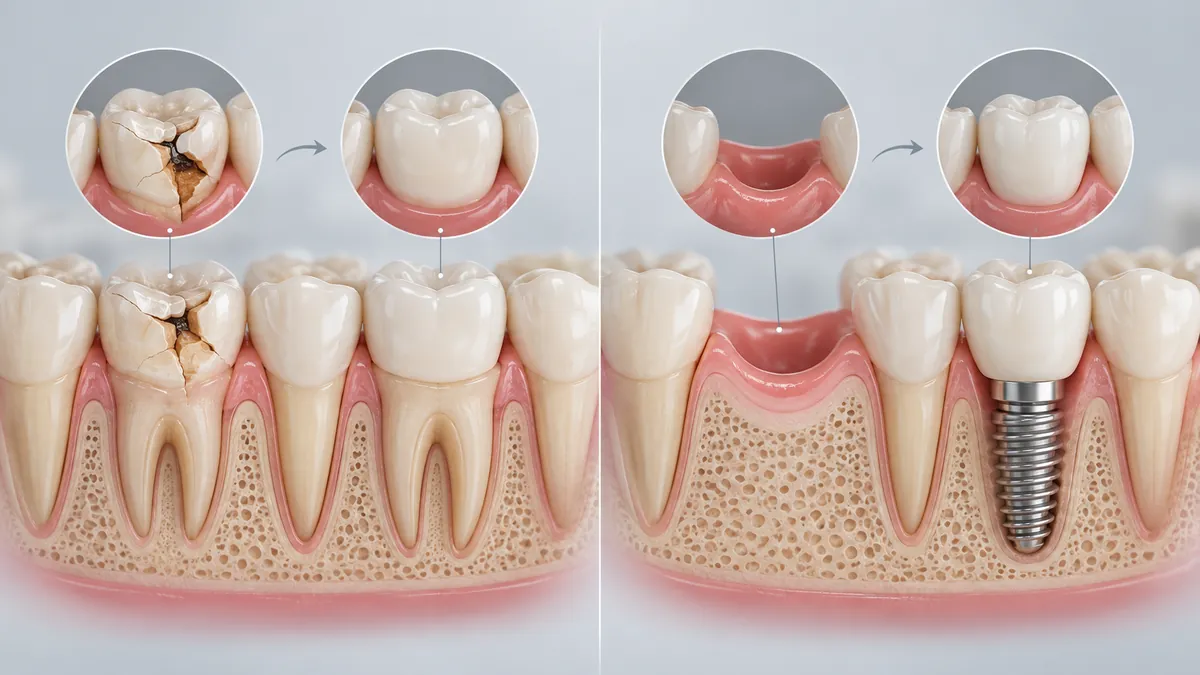
- Restorative services: Address existing tooth structure that has been damaged, with the treatment goal of repairing the affected part or restoring the tooth according to the condition.
- Replacement services: Address missing teeth or missing dental structure, with the treatment goal of replacing what is missing as a category of replacement or prosthetic care.
Some procedures may serve both functions because the boundaries between restoration and replacement are not completely separate in every case. The treatment goal is determined by how much tooth structure remains or is missing and by the condition identified during assessment.
Cosmetic Services to Improve the Appearance of Teeth and the Smile
Cosmetic dental services focus on improving dental appearance through attributes such as tooth color, tooth shape, tooth alignment, and the appearance of the smile. Some services may overlap with restorative or functional purposes, but the cosmetic goal remains tied to the appearance attribute intended to change.
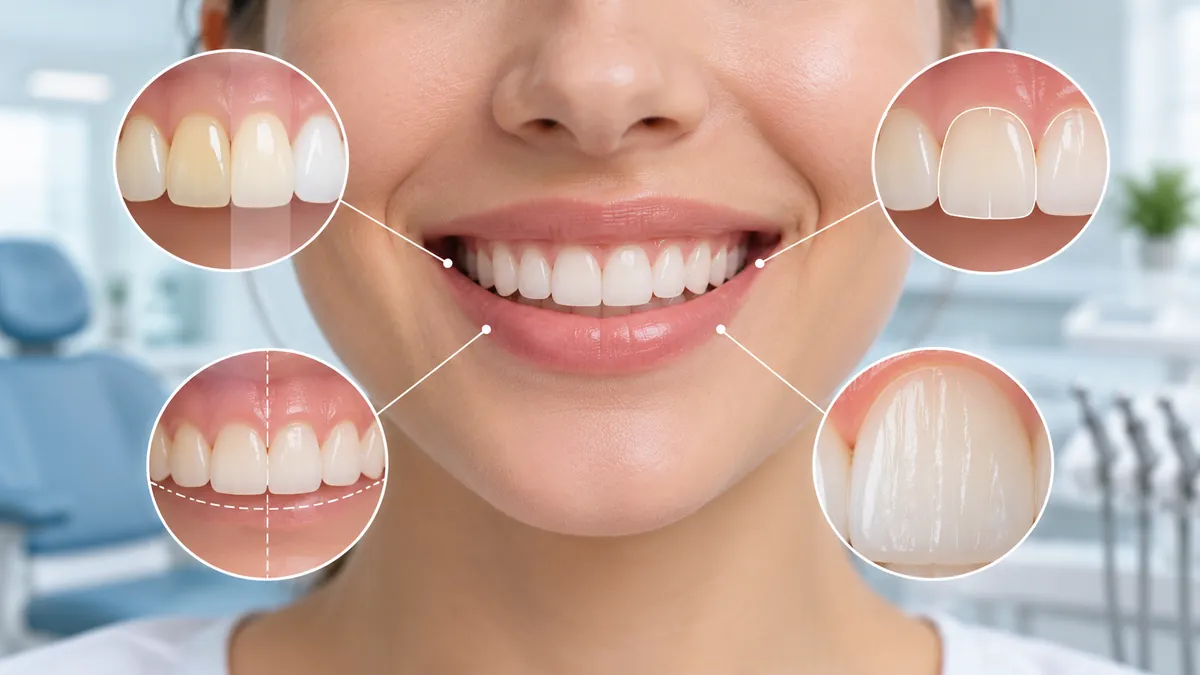
- Tooth color: Cosmetic services may target a change in color or address discoloration when the goal concerns appearance.
- Tooth shape: The cosmetic goal may be to modify tooth shape or certain visible features.
- Tooth alignment: The cosmetic aspect may relate to the appearance of tooth alignment without implying that every case is treated in the same way.
- Appearance of tooth structure: Some services may target the appearance of visible parts of tooth structure when this forms part of the cosmetic goal.
The suitability of cosmetic dental services depends on oral condition, the intended goal, and professional assessment. The appropriate procedure may differ when a cosmetic goal is combined with a restorative or functional need. Targeting an attribute such as color, shape, or alignment does not guarantee a specific cosmetic result.
Dental Cleaning and Gum Treatment: Differences in Purpose and Procedure Scope
Routine professional cleaning differs from gum treatment in its purpose, clinical indication, and the scope or depth of the procedure. Dental cleaning is usually used to remove tartar and deposits from tooth surfaces within preventive care, while gum treatment relates to the clinical condition of the gums and supporting tissues and may include areas below the gumline when needed.
| Dimension | Routine professional cleaning | Gum treatment |
|---|---|---|
| Purpose | Remove tartar and deposits and support prevention and oral health. | Address a problem affecting the gums or supporting tissues according to the assessment. |
| Typical indication | The need to remove deposits from the teeth as part of routine care. | Clinical findings indicating treatment directed at the gums or supporting tissues. |
| Procedure area or depth | Usually focuses on tooth surfaces and removal of deposits associated with routine cleaning. | May extend below the gumline or require deep cleaning when needed, according to the clinical condition. |
| Care context | Preventive care and professional cleaning. | Management of a condition involving the gums or supporting tissues. |
Terminology, the depth of dental cleaning or gum treatment, and procedure requirements may vary according to clinical findings. A service description alone is not enough to determine its scope. The required approach depends on professional assessment of the clinical condition rather than self-classification.
Services That Are Not Necessarily Available at Every Dental Clinic
Not every dental clinic necessarily provides every dental service. Service availability is a variable attribute linked to the treatment capability and service scope available within the clinic. One service may be available in the clinic, while another service or a particular case may require referral to another provider.
Service availability can be affected by the professional staff and available specialties, as well as the equipment, facilities, and scope of practice within a dental clinic. The guide on Dental clinic specialties and departments explains differences related to specialty coverage, while availability of a specific service remains linked to the clinic’s ability to provide it for the case in question.
Differences in service availability can be understood through the following capability factors, without their order representing an assessment of clinic quality:
- Professional staff and specialties: Available expertise and specialty coverage may affect whether a particular service can be provided within the clinic.
- Equipment: Treatment availability may depend on having the equipment required for the service, but equipment alone does not determine whether the service is suitable for the case.
- Facilities: The range of available facilities may affect the types of services that can be carried out within the clinic.
- Scope of practice: Scope of practice and treatment capability determine what can be provided within the clinic, and capability may vary by service and case.
- Referral model: A clinic may provide a service in-house when the appropriate capability is available, or use referral when the service or case falls outside its scope, with follow-up transferring according to the care pathway.
A service being unavailable within a dental clinic describes the limits of its ability to provide that service in-house; by itself, it is not a judgment about the clinic’s overall quality.
Availability of Root Canal Treatment at the Clinic
Root canal treatment may be available at some dental clinics, while other clinics or cases may require referral to another provider. Availability of the treatment within a dental clinic is linked to the practitioner’s professional scope and the clinic’s treatment capability to provide root canal treatment for the case concerned.
Case complexity may affect whether root canal treatment can be provided within the clinic. Listing the service among the clinic’s services does not mean every case is suitable for treatment at the same location. Assessment determines whether the case fits the available service, and referral may be appropriate when the need exceeds the available professional scope or treatment capability.
Availability of Orthodontic Services at the Clinic
Orthodontic services may be available at some dental clinics, while other clinics may rely on referral to another provider. Availability of orthodontic care within a dental clinic is linked to the practitioner’s professional scope and the clinic’s treatment capability to assess the case and provide the appropriate service within its scope.
The type and complexity of the case may affect whether orthodontic care can be provided within the clinic. Listing orthodontics among the clinic’s services does not mean all cases can be managed at the same location. Assessment determines whether the case fits the available service, and referral may be appropriate when the need exceeds the available professional scope or treatment capability.
Availability of Dental Implants at the Clinic
Dental implants are not necessarily available at every dental clinic. Service availability is linked to the professional capability, equipment, and facilities required to provide treatment within the clinic’s scope. These capabilities may determine whether assessment, planning, and treatment can take place within the clinic or require referral.
A dental clinic may be able to perform an initial assessment without this meaning that it actually provides dental implants. Providing the service depends on the scope of practice and treatment capability available for the case, and referral to another provider may be appropriate when the necessary requirements are not available within the clinic.
How Do You Check Whether a Dental Clinic Provides the Treatment You Need?
To check treatment availability, confirm the name of the required service, review service information that documents the dental clinic’s ability to provide it, and ask whether assessment or referral is required before it can be provided for the case. Start with the treatment recommended by a dental professional if one has been specified, or identify the service category or problem you want to ask about if a treatment has not yet been clinically determined.
- Identify the service name or category: Use the name of the recommended treatment when it is known, or clearly describe the service category or problem so the inquiry is specific to the required service.
- Review the service information: Check whether the clinic documents the required service within the scope of services it provides, rather than relying on a general description of dental services.
- Confirm professional capability: Ask whether the professional capability needed to provide the service is available within the dental clinic for cases that fall within its scope.
- Ask about assessment and referral: Check whether providing the service requires an assessment before treatment feasibility can be determined, and whether some cases or stages of care require referral.
- Verify the service scope in practical terms: Confirm what the clinic actually provides within the service and which details still need confirmation before relying on treatment availability.
After service availability is confirmed, you can move on to Choosing a clinic based on the right service with treatment availability treated as one input into a broader evaluation. Service availability at a dental clinic does not establish that the treatment is suitable for an individual case; treatment suitability is determined by professional assessment of the case, and referral may still be required even when the service is listed among the clinic’s services.
After understanding the service scope and separating availability from suitability, cost can be treated as an independent variable through Understanding dental clinic service prices without treating price as evidence that a treatment is suitable. Once the service requirements are clear, you can use the Dental clinic directory in Saudi Arabia to move from verifying the service to finding clinics whose information can be reviewed according to the specific need.